Your Bank Balance Is Not Always Your Safe-to-Spend Number
A bank balance is a snapshot. A safe-to-spend number also considers upcoming bills, pending income, and money already committed.

Checking your bank balance before buying something feels responsible.
But the number on your account is only a snapshot.
It tells you how much money is there right now. It does not automatically tell you how much of that money has already been committed.
That difference is especially important for freelancers and anyone with irregular income.
Why the Balance Can Be Misleading
Imagine your account shows $3,000.
That sounds comfortable.
But you may also have:
- $1,000 of rent due in four days
- $300 of subscriptions and utilities coming this week
- $500 reserved for taxes
- $250 of business costs you already know are coming
- A client payment that is expected but has not cleared yet
Your actual spending flexibility is very different from the headline balance.
The bank is not wrong. The balance is simply answering a different question.
Start with Cleared Cash
When thinking about what you can safely spend, begin with money that has actually cleared.
Do not automatically include an invoice, pending freelance payout, or expected transfer.
Those items belong in your forecast.
They can affect what may be available later, but they are not the strongest basis for a purchase today.
Subtract Near-Term Commitments
Next, consider the expenses that are already committed before your next dependable income.
That could include:
- Rent
- Utility bills
- Subscriptions
- Insurance
- Debt repayments
- Groceries
- Business software
- Taxes
- Planned transfers
- Essential transport
You do not need to subtract every possible future expense forever.
Focus on the period before your next dependable source of cash.
Protect Reserved Money
Some money may technically be in your account but should not be treated as spendable.
Common examples include:
- Emergency savings
- Tax reserves
- Client money you need to pass through
- Money reserved for a large annual bill
- Business operating reserves
If those amounts are mixed into the same account, your visible balance can create a false sense of flexibility.
A savings buffer or reserved amount helps create a clearer line between money I have and money I can use.
Pending Income Should Not Rescue Today's Purchase
A common freelance mistake is mentally spending a payment before it arrives.
You may think, I have $1,500 coming on Friday, so this purchase is fine.
Maybe it is.
But what happens if the payment arrives Monday instead? Or the client asks for a correction? Or the platform delays the withdrawal?
Expected income can support a forecast, but spending against it creates more risk than spending against cleared cash.
Annual Expenses Can Distort the Picture
Not every important expense appears every month.
Insurance, taxes, equipment, professional renewals, annual subscriptions, travel, and maintenance may arrive only occasionally.
If you ignore them until they appear, your safe-to-spend number will look artificially high during the months before they are due.
A better approach is to keep those future commitments visible in your plan.
Freelancers May Have Money in Several Places
Your financial position may be spread across:
- A local bank
- A USD account
- Payoneer
- Wise
- A freelance platform
- Cash
- Savings
Looking at one balance gives you only part of the picture.
It is useful to know where your money is, what currency it is in, whether it has cleared, and what costs may apply before you move or use it.
Timing Matters as Much as Totals
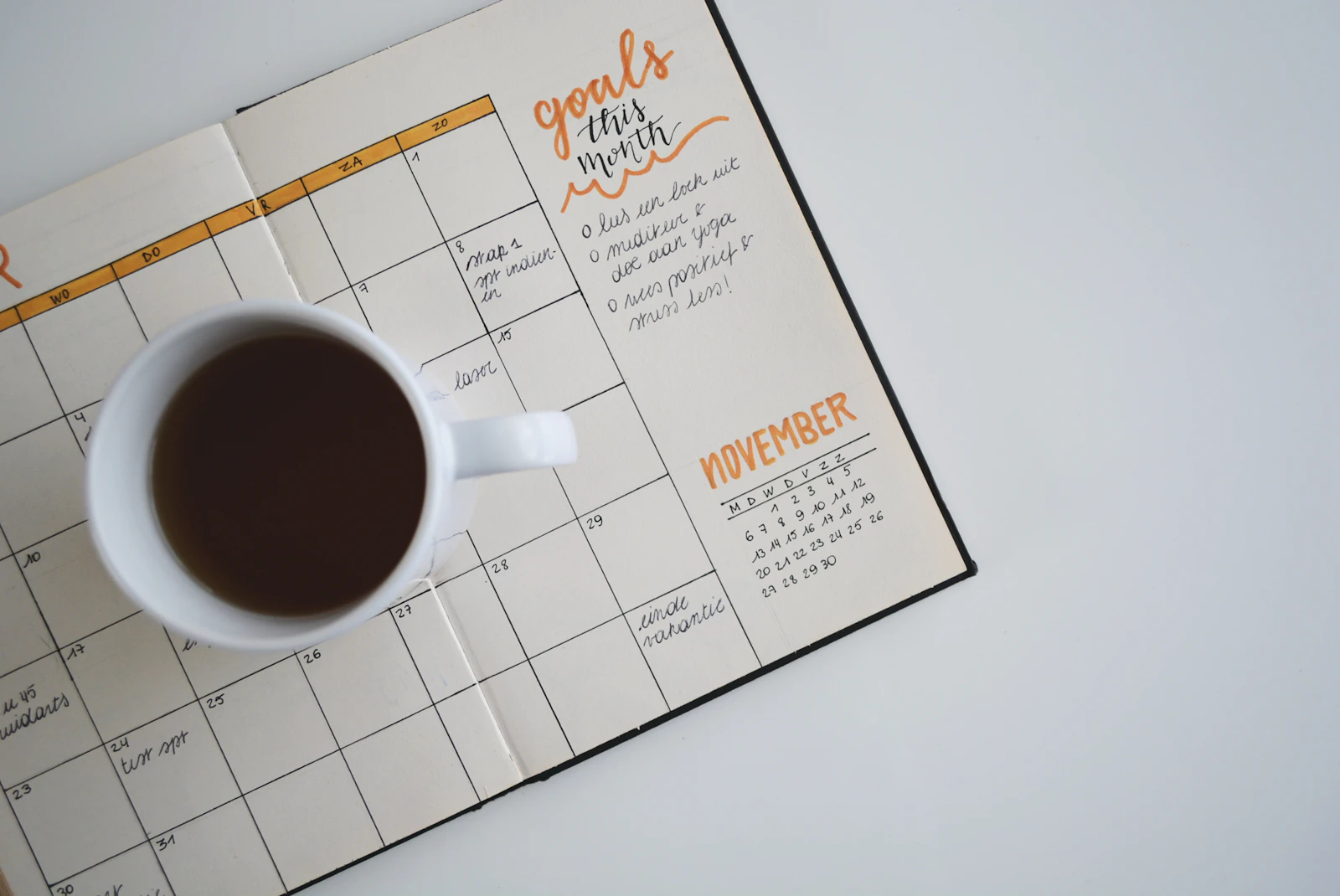
This is where a cash-flow calendar becomes useful.
A purchase may be perfectly affordable next week but uncomfortable today.
A calendar lets you see what is due before the next payment arrives.
Instead of asking only, Can I afford this? you can ask, Can I afford this now without interfering with anything already committed?
That is a much better financial question.
Safe to Spend Is a Decision Number
Your safe-to-spend amount does not need to be a perfect formula.
It is a practical decision tool.
Start with cleared money, protect committed expenses and buffers, then consider the timing of upcoming income.
Finviro is designed around this broader picture of irregular income, upcoming payments, recurring expenses, and real cash flow.
Your balance still matters.
It just should not be the only number you use.