How to Do Taxes as a Freelancer: A Step-by-Step Guide
No employer is withholding tax for you anymore. That's the whole difference, and it changes everything. Here's a simple system for handling freelance taxes, whatever country you're in.
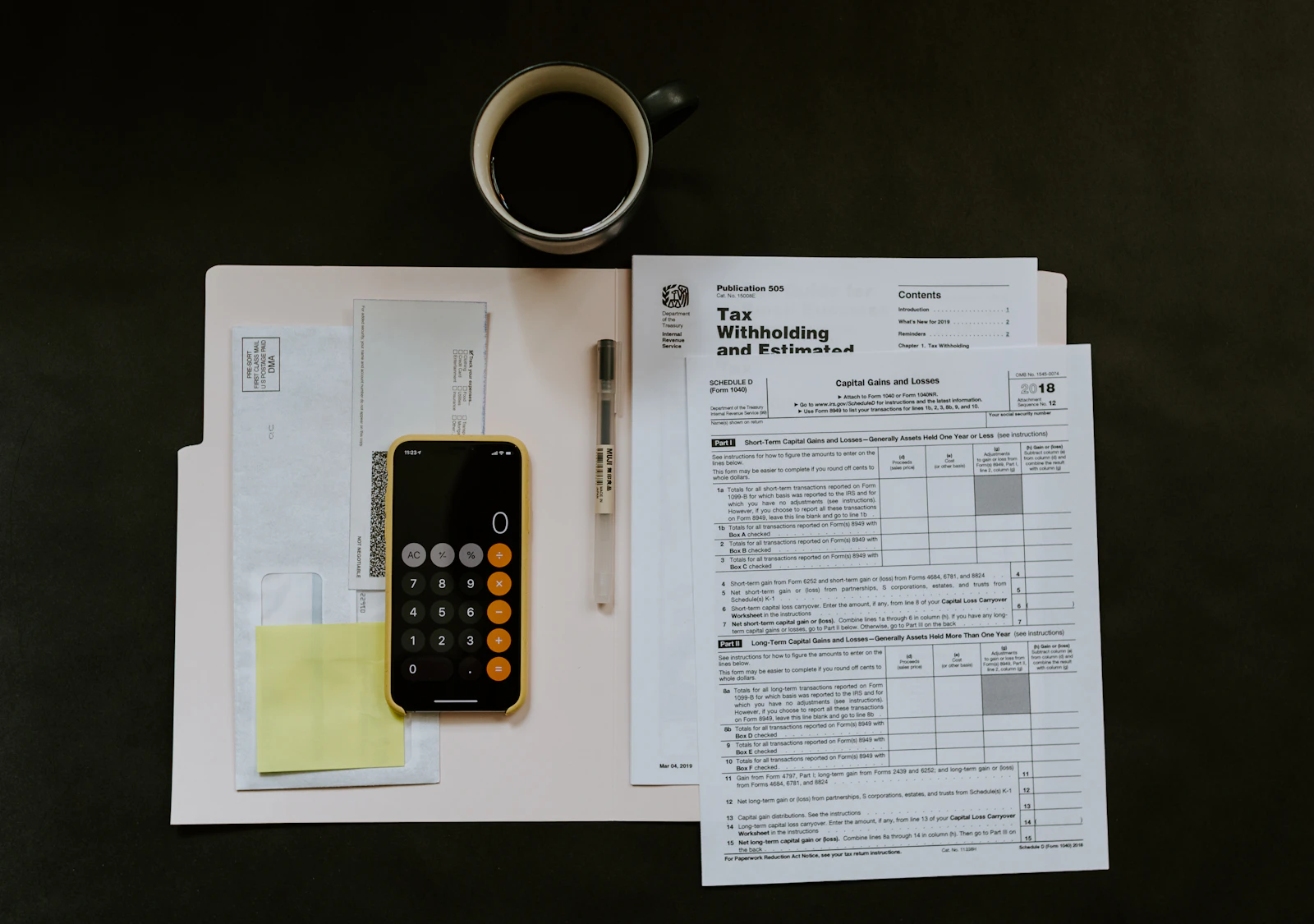
When you were an employee, taxes mostly happened to you. Your employer calculated them, took them out of your salary and sent them to the government. You might have filed a return, but most of the work was done.
As a freelancer, all of that is now your job.
That sounds intimidating, but freelance taxes follow the same basic pattern almost everywhere in the world. Once you understand the pattern and set up a simple system, taxes become a few routine habits instead of an annual panic.
This guide is general information, not tax advice. Tax rules depend on your country and situation and change often, so confirm details with your tax authority or a qualified accountant.
Step 1: Understand What Changed
Freelancers are usually treated as self-employed. In most countries that means three things:
Nobody withholds tax for you. Clients pay you the full amount, and the tax is still owed.
You are taxed on profit, not revenue. Business expenses usually reduce the income you pay tax on.
There may be extra contributions. Many countries charge social security or national insurance on self-employment income on top of income tax.
The single most important habit that follows from this: some of every payment you receive is not yours to spend.
Step 2: Register Where You Need To
Most tax systems want to know when you start earning as a freelancer. Depending on where you live, that may mean registering as self-employed, getting a tax number, or becoming a registered filer.
Do this early. Registration deadlines are easy to miss in your first year, and late registration can come with penalties or higher withholding. Our country guides explain what applies in the United States, the United Kingdom and Pakistan.
Step 3: Track Every Piece of Income
Your tax return starts with one number: how much you earned. For freelancers, that number comes from many places: platforms, direct clients, retainers, side projects and sometimes several currencies.
Track each payment with:
The client or platform
The gross amount and currency
Fees deducted
The date it was received
The invoice it relates to
Invoices are the easiest way to make this automatic. If every piece of paid work has an invoice, your income for the year is simply the total of your invoices, adjusted for anything unpaid. See your invoices are your tax records for the full system, and use Finviro's free invoice generator if you need a quick, professional invoice.
Income is generally taxable whether or not a client or platform sends you a tax form. Do not rely on platforms to tell you what you earned.
Step 4: Track Business Expenses
Business expenses are costs you pay to run your freelance work. In most countries they reduce your taxable profit, which reduces your tax bill.
Common deductible expenses for freelancers include:
Software and subscriptions used for work
Equipment such as a laptop, monitor or camera, sometimes spread over several years
Platform service fees and payment-processing fees
Internet and phone, at least the business share
A share of home costs if you work from home, where the rules allow
Coworking spaces
Courses directly related to your work
Accountant and professional fees
Keep the receipt for every business expense, and keep business and personal spending separate. Our guide to separating business and personal expenses shows a simple setup.
Step 5: Estimate Your Tax and Set It Aside
This is where most freelancers go wrong. They spend the whole payment and discover the tax bill months later.
The fix is to move a percentage of every payment into a separate tax reserve the day it arrives. The right percentage depends on your country, income level and expenses. Our guide to how much to set aside for taxes shows how to work out your number.
Step 6: Pay During the Year If You Have To
Many countries expect freelancers to pay tax in advance, not just once a year. The US uses quarterly estimated payments. The UK uses payments on account. In Pakistan, tax on foreign freelance income is commonly withheld by the bank when the money arrives.
Put these dates in your calendar at the start of the year. Missing an advance payment often means interest or penalties, even if you file your return on time. A cash-flow calendar makes these dates visible next to your income and bills.
Step 7: File Your Return
At the end of the tax year, you report your income, expenses and any tax already paid, and settle the difference.
If you kept clean records during the year, this step is mostly copying totals into forms. If not, it means weeks of digging through statements. Either way, consider an accountant for your first year as a freelancer. Their fee is usually a deductible expense, and they can set you up correctly from the start.
Step 8: Review and Adjust
After filing, look at what you actually paid compared with what you set aside. If your reserve was too small, increase your percentage. If it was too large, the surplus becomes savings, which is a much better problem to have.
The Simple Freelance Tax System
Every payment: move your tax percentage into a separate reserve
Every week: categorize transactions and save receipts
Every month: match invoices to payments as part of your monthly review
Every advance-payment date: pay from the reserve
Every year: file, review, adjust your percentage
Finviro helps with the parts that make this system work: tracking income by source and status, categorizing business and personal expenses, keeping reserved money separate from your safe-to-spend number, and showing upcoming tax dates in your cash-flow calendar.
Summary
Freelancers pay their own tax because nobody withholds it
You are usually taxed on profit, so track business expenses
Register early and know your country's deadlines
Set aside a percentage of every payment in a separate reserve
Make advance payments where your country requires them
Keep clean invoices and receipts all year so filing is quick